Homes in Stillwater, MN are moving. As of late summer 2026, the median sale price is around $432,000, and properties are averaging roughly 18 days on the market before going under contract. When buyers are making decisions that fast, how your home looks on day one matters more than anyone selling a home in Stillwater, MN might expect.
With only about 49 homes in active inventory, it's tempting to think you can just put a sign in the yard and field bids. But buyers are comparing your listing against the best-looking homes they've seen online that week - and they'll move on if yours doesn't hold up. Getting the property prepared and furnished before photos are taken is one of the most reliable ways to push offers above asking.
Why Preparing Your Home Matters for Stillwater Sellers
The National Association of Realtors has looked at this carefully. About 23% of real estate agents report that staging increases a home's dollar value by 1% to 5%. Another 18% see value increases between 6% and 10%, and over half of all agents agree that staging boosts value somewhere in that combined range.
In a local market where homes are already selling for about 100.8% of their list price, those extra percentage points translate to real money on the settlement statement. Separately, 19% of sellers who staged their properties received offers 1% to 5% above asking. The presentation work pays for itself.
Does Staging Speed Up the Sale?
When buyers walk into a well-prepared property, they can picture themselves living there immediately - and that confidence shortens the decision timeline. Stillwater homes are already averaging just 18 days on the market, so staged homes that stand out in online search results often move even faster.
Changing How Buyers See the Space
Empty rooms are surprisingly hard to read. Buyers genuinely struggle to judge whether a king-sized bed fits in the primary suite or whether their sectional sofa will work in the living room. The right furniture answers those questions before anyone has to ask, and it draws attention to the architectural features you actually want buyers to notice.
What to Expect for Home Staging Costs
What you'll spend depends almost entirely on the size of your home and how much furniture needs to come in. Professional staging in the Stillwater and Twin Cities market runs about $600 per room. If you just want guidance on arranging what you already own, a design consultation typically runs between $300 and $600.
Statewide, Minnesota staging averages about $1,743, with most full projects falling between $752 and $2,837. The closest metro benchmark - the Minneapolis-area average - sits around $1,000, typically ranging from $366 to $1,450 depending on scope.
Professional Staging Price Ranges
For a completely vacant house, the bill can scale into the thousands. The final number depends on how many rooms get furnished, the quality of the rented pieces, and how long the rental runs. Median staging costs nationwide have fluctuated between $400 and $1,500 over the past few years, so your specific situation will land somewhere in that range.
Budget-Friendly DIY Options
If you're watching your budget, you can make a real difference for under $500. Fresh towels, neutral throw pillows, and updated light fixtures add up quickly in photos. Renting a storage unit for a few months to clear out excess furniture and clutter is another cost-effective move that opens up floor space without requiring you to spend much at all.
Pricing for Vacant vs. Occupied Homes
Vacant homes cost more to stage - the company is bringing in everything from rugs and art to dining tables, so the scope is simply larger. Occupied homes are less expensive because the stager works with what you already have, rearranging pieces and bringing in smaller accessories to update the look without starting from scratch.
Hiring a Professional Stager vs. Doing It Yourself
This comes down to three things: your budget, your timeline, and what you're working with furniture-wise. If your home is empty, bringing in a professional is usually the most practical path. There's no other realistic way to make an empty house show well.
If you have modern furniture and a decent eye for layout, you might just need a weekend to organize and pack. A local agent can walk through the property and give you an honest read on whether your current setup works for listing photos or whether you need outside help.
When to Bring in a Professional
Hire a professional if your home is completely vacant or if your existing furniture is heavily worn. Stagers understand how a camera captures a room - they bring in pieces specifically chosen to photograph well in online listings, and that expertise shows up in the results.
What a Professional Stager Does
A full-service stager handles everything. They assess the property, select furniture from their warehouse, deliver and set it up, then remove everything once the house goes under contract. You don't have to coordinate any of it.
A Basic DIY Staging Checklist
If you're doing this yourself, focus your energy on the most visible areas first. Here's a short list to work from:
•Remove family photos, bold artwork, and personal collections.
•Clear all kitchen and bathroom countertops of daily appliances and toiletries.
•Pack away off-season clothing to make closets appear larger.
•Ensure every light fixture has working bulbs of the same color temperature.
Room-by-Room Staging Advice
Buyers don't look at every room equally. The kitchen, living room, and primary bedroom get the most attention in listing galleries, and that's where your time and money should go. You don't need to update every secondary bedroom or basement storage area to get a strong offer.
Living Room and Kitchen Focus
In the living room, pull furniture away from the walls to create a conversational seating arrangement rather than that "waiting room" look. In the kitchen, clear the counters almost completely - one bowl of fresh fruit or a simple vase is enough. Daily appliances, knife blocks, and paper towel holders all come off the counter before the photographer arrives.
Primary Bedroom and Bathrooms
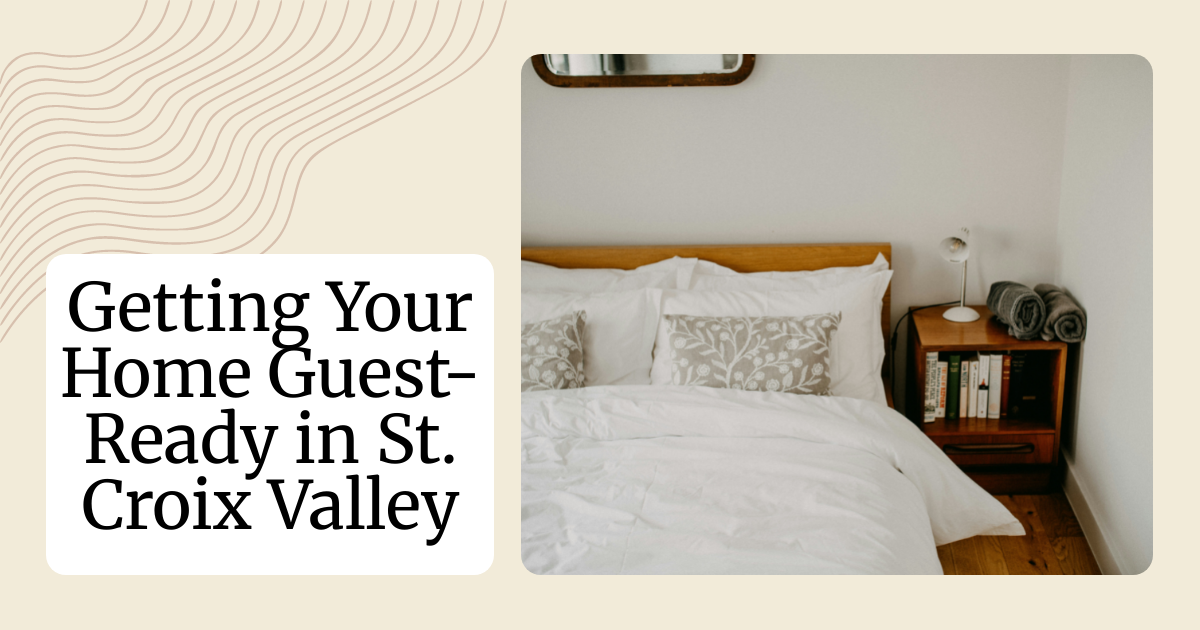
The primary bedroom should feel like a hotel room. Crisp white bedding, a few textured throw pillows, clear nightstands. Bathrooms need a deep clean, fresh white towels, and a new shower curtain - it's a small expense that reads as well-maintained in photos.
Exterior Appeal and the Entryway
The first photo buyers see is the exterior, and a surprising number of buyers filter out listings based on that one image. Mow the lawn, trim the bushes, and consider painting the front door. A new welcome mat and house numbers that are easy to read from the street cost almost nothing and make a real difference.
Decluttering and Depersonalizing
Removing personal items helps buyers mentally move in. Daily mail, pet supplies, and decorative overflow all get packed away. The goal isn't to make the home look empty - it's to make it look well-maintained and spacious.
Staging an Occupied Home vs. a Vacant Listing
Selling while you're still living there requires a different approach than selling an empty property. You're balancing daily life against keeping the house ready for a last-minute showing call on a Tuesday afternoon.
Vacant homes have their own challenges. They're a blank slate, but they also show every scratch on the floor and every dent in the wall without furniture to draw the eye elsewhere. Both situations require specific strategies to appeal to buyers browsing Stillwater listings.
Preparing a House You Still Live In
Rent a storage unit for excess furniture and out-of-season items - it's one of the most effective things you can do. Keep a laundry basket handy to gather daily clutter quickly when an agent schedules a showing on short notice. It sounds unglamorous, but it works.
Virtual Staging for Vacant Properties
If a full physical staging package is outside your budget, virtual staging is worth considering for vacant homes. Software adds digital furniture to the listing photos so buyers can visualize the space online. Just be aware that the rooms will still be empty when buyers tour in person, so set expectations accordingly.
Local Home Staging Companies Serving Stillwater
Finding a reliable staging partner before you need one is smart - the good companies book up. Several well-reviewed firms operate in the Twin Cities metro and serve the Stillwater area directly.
Yelp's top-rated list for the area includes The Catherine Cos, Vickie Kaiser Home Staging and Design, Lionheart Home Staging, Warming House Staging and Design, Aligning Spaces, and Juniper Organizing/Interiors. Houzz lists 5-star local pros including Valentine Design LLC, Rooms With Style, Designs by D, and Kariel Staging & Decor.
Finding the Right Local Stager
Other confirmed options serving the Stillwater market include St. Croix Staging - based right in town - and Property Expression Minnesota Home Staging. Before you hire anyone, look at their past portfolios. You want to confirm their furniture style actually fits your home's architecture, not just that they have good reviews.
Questions to Ask Before Hiring
Ask how long the initial rental contract lasts and what the monthly renewal fee looks like. Confirm whether the quote includes delivery, setup, and removal, because those can sometimes be billed separately and change the total significantly.
Home Staging FAQs
Does home staging help sell a house faster in Stillwater?
Yes. Well-presented homes photograph better, which drives more online traffic and leads to quicker offers. In a market where homes average 18 days on market, standing out in search results is a real advantage.
How much does professional home staging typically cost in Stillwater, MN?
Professional staging in the Stillwater area typically runs about $600 per room. Statewide, Minnesota averages are around $1,743, with most projects falling between $752 and $2,837 depending on the size of the home.
How do I stage a house in Stillwater that my family is still living in?
Start by packing away non-essential items and renting a storage unit to clear out excess furniture. Keep daily surfaces clear and use a quick-cleanup basket to hide everyday clutter right before a showing.
How long does the home staging process take before I can list my property?
It depends on whether you're doing it yourself or hiring a professional. A full professional staging setup can be installed in a single day, but you should book the company a few weeks ahead of your target listing date.
Is virtual staging a good enough alternative for my Stillwater real estate listing?
It depends on your budget and the property. Virtual staging looks great in online photos and costs considerably less than physical furniture, but buyers will still walk through an empty house during their in-person tour.
What are the biggest mistakes to avoid when DIY staging a house for sale?
Leaving too much personal clutter on display is the most common problem - it distracts buyers from the house itself. Pushing all the furniture against the walls is another frequent misstep; pulling pieces toward the center of the room creates better flow and photographs more naturally.
Who are the most well-reviewed home stagers serving the Stillwater area?
Top-rated local options include St. Croix Staging, Lionheart Home Staging, and Vickie Kaiser Home Staging and Design. Other well-reviewed pros serving the area include The Catherine Cos, Valentine Design LLC, and Rooms With Style.
Ready to List? Schedule a Staging Walkthrough
Getting a property ready for market takes planning - and spending money before you know what actually needs attention is a common way to waste it. A walkthrough with a local agent first costs you nothing and can save you from making the wrong improvements.
A local real estate agent knows what Stillwater buyers expect to see. They can tell you which updates will yield a return and which ones you can skip entirely.
What Happens During a Listing Consultation
During a walkthrough, an agent will go through the property room by room. You'll get a list of recommended repairs, suggestions on furniture arrangement, and help building a realistic timeline for taking listing photos.
Connecting with Local Staging Pros
If the home needs more than a quick declutter, your agent can connect you with trusted local stagers. They often have preferred vendors who can provide a design consultation or a full furniture package to get the house market-ready.